
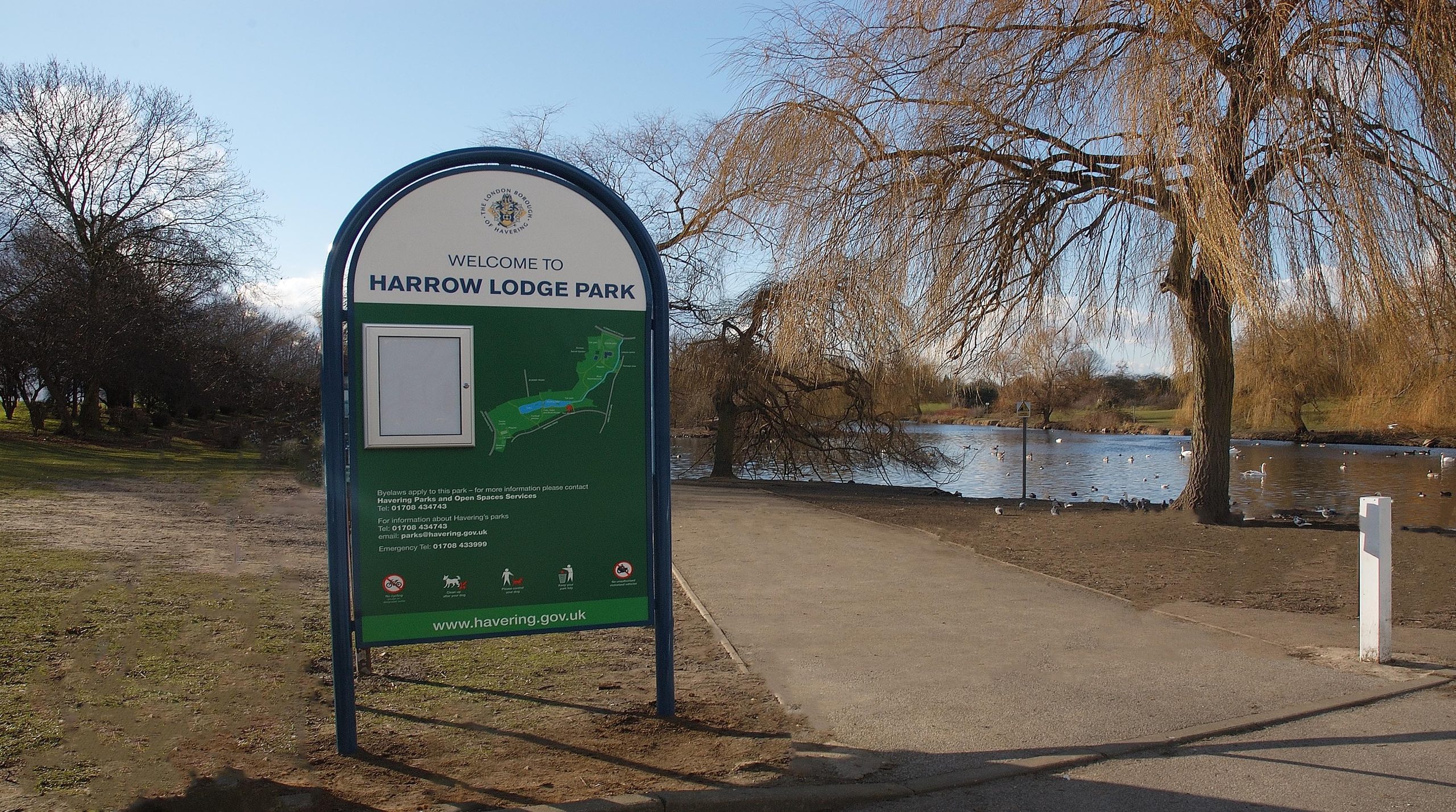
Signs for Parks & Public Open Spaces
Signs that promote your facilities and help educate, influence and control visitor movement
Most projects start with an estimate. To brief us, please call or complete the enquiry form.
Welcome your Visitors with Park Signs
Park signs offer a flexible way to communicate with your visitors. They can range from welcome signs, interpretation boards, directional information, finger posts & waymarkers to lockable notice boards and general wayfinding.
Each park or open space faces unique challenges, and with our range of custom outdoor signage solutions, we aim to help build solutions to suit. We are always happy to chat through options.
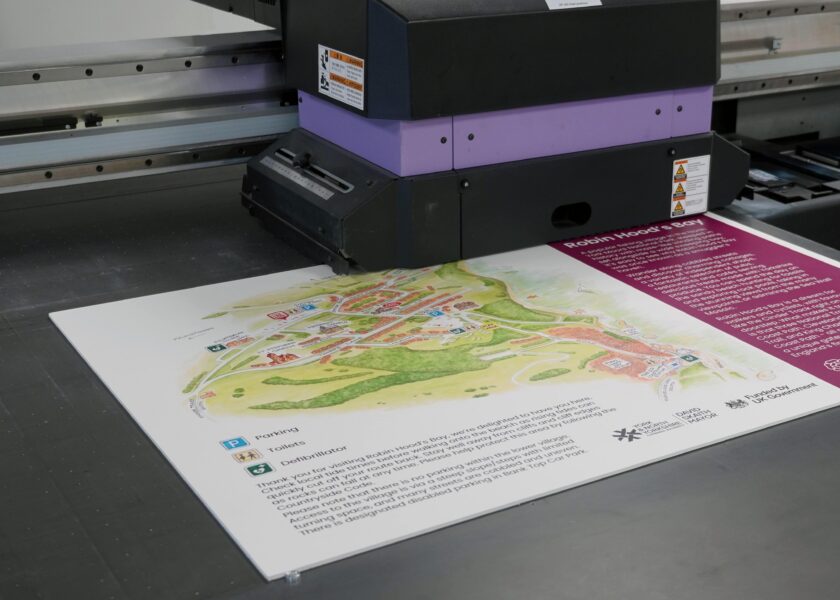
We specialise in park signs in a range of premium materials with framing options tailored to your project. With each public sign, we provide the highest quality print, allied with exceptional durability, so your sign is built to last in any outdoor environment.
Learn more about our high-quality printing services.
Request A Quote
Our Services: Artwork, Materials and Framing
We can support and enhance your project through graphic design, artwork preparation or printing your own artwork. We also offer a wide range of framing options for your design, including lectern, wall-mounted and freestanding options.
Panel Materials
Framing Options
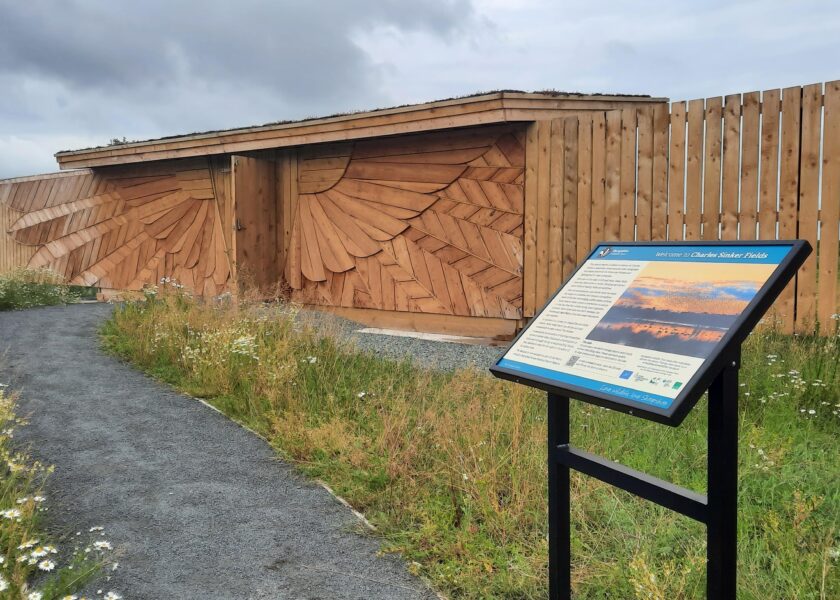
Shelley Design

Your Artwork

Useful Tips for Park Signs
The overall design and content of signs for parks and public open spaces is critical to their success and usage. Entrance or welcome signs should be striking, and they should quickly outline facilities available. Here are some notes for designing your custom outdoor signage:
- Content and design – ‘Less is more’ is a good principle to follow when writing text. Keep your content brief, and your design simple.
- Maps – Keep them really simple. Nobody will remember more detail.
- Text/Messages – It is tempting to combine several messages onto a few signs. However, our experience suggests that spreading your content onto more, smaller signs will increase the impact of each message.
- Directing and controlling visitor flow – Consider using directional finger posts, waymarker discs and waymarker posts, or bollards.
- Detailed Byelaws – Often displayed on the back of the main signs, with the key rules shown on the face of the sign or on a separate plank.
- QR codes and Tags – A good way of encouraging visits to your website, so worth considering.
- Park entrance signs usually aim to make an impact. Interpretive boards, however, are more likely to be discreet. Your desired effect can be achieved through your choice of size, shape, colour and fixing structure. We also suggest you try and match and blend with existing street furniture.
- Common framing materials include oak & Accoya, powder coated aluminium & recycled plastic. Park Entrance signs tend to be vertically mounted. Lectern frames, with the display at an angle, tend to be popular for interpretation boards.
Park Signs & Related Products
Entrance Signs
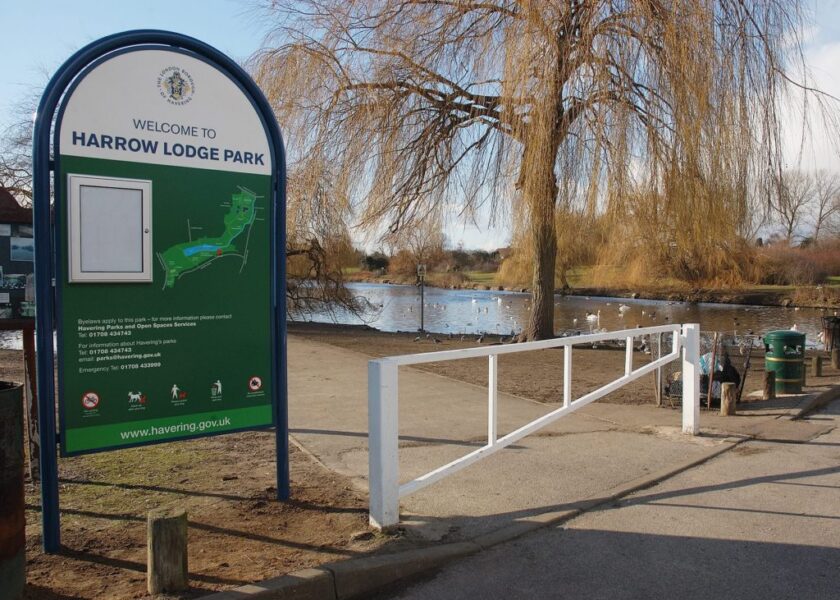
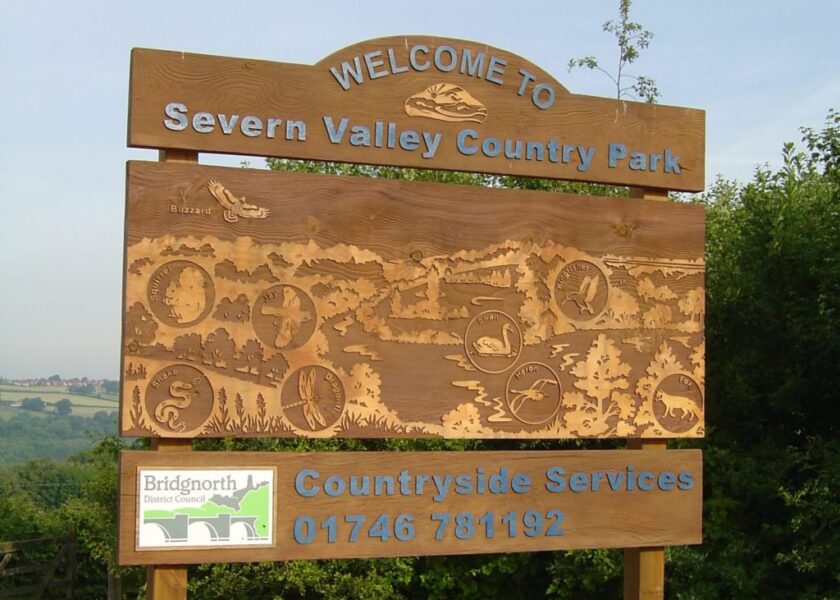
Welcome Signs
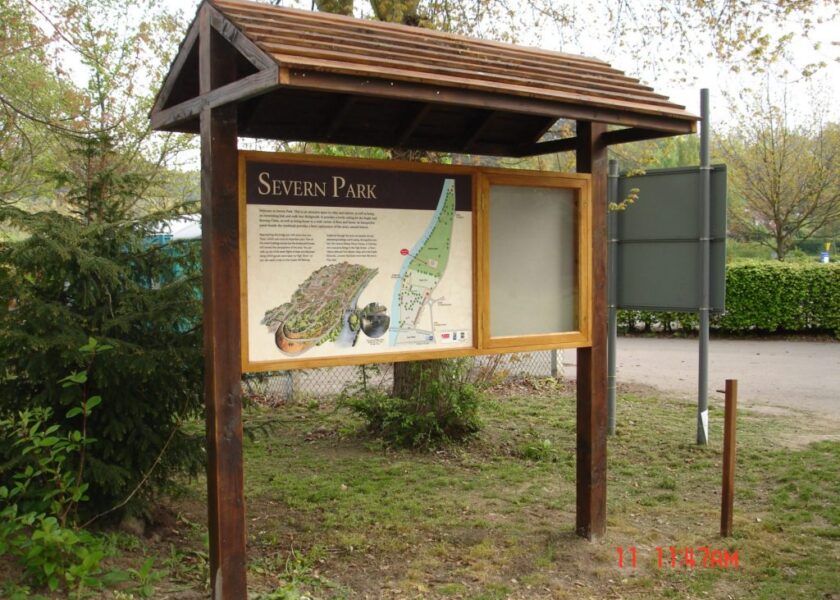
Notice Boards
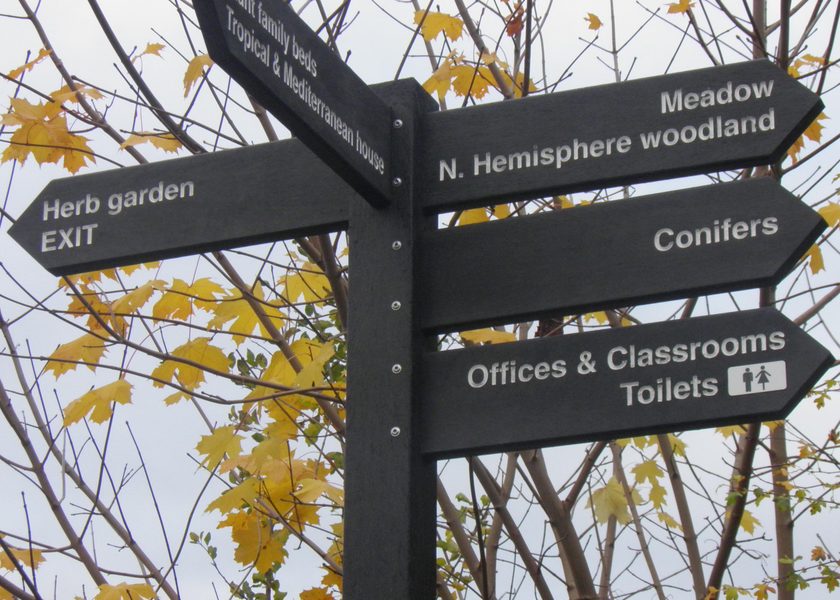
Finger Posts
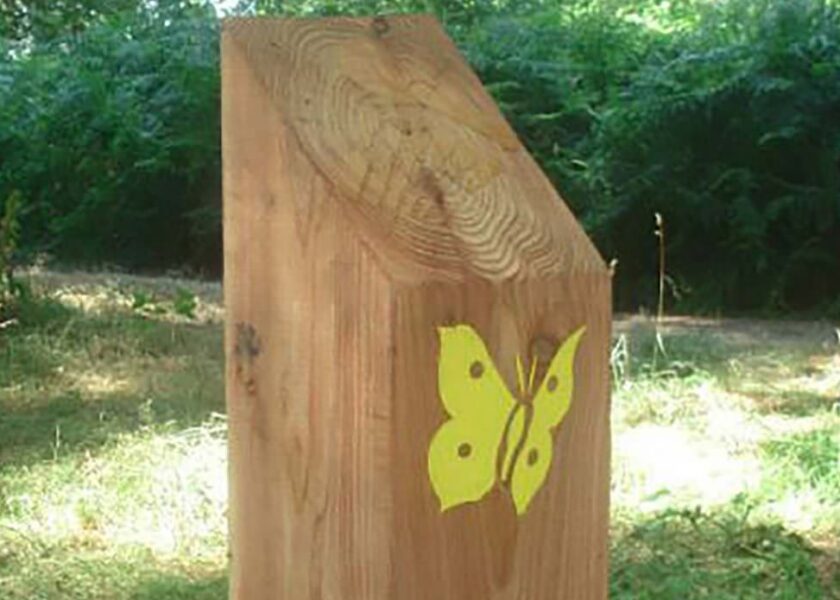
Footpath Signs
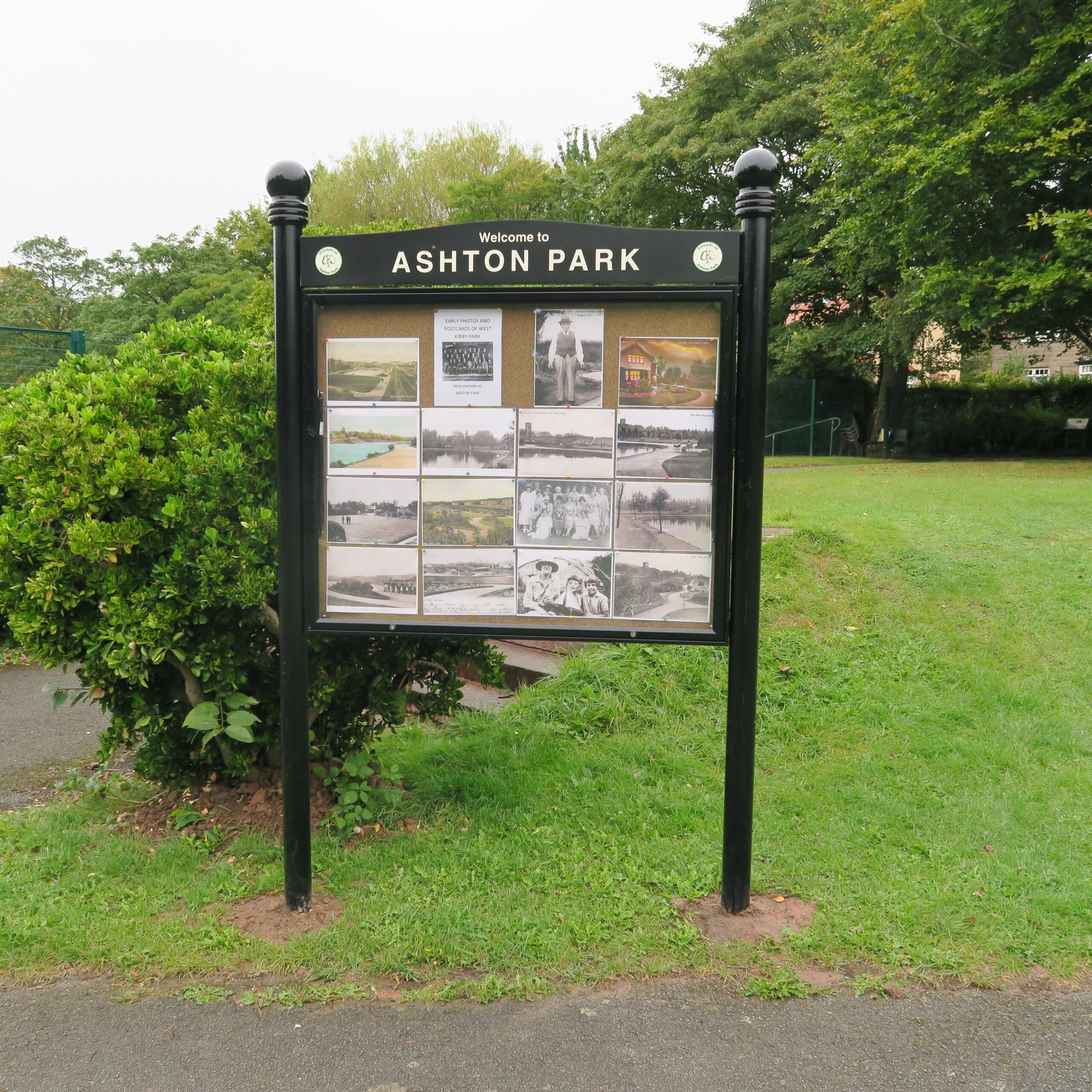
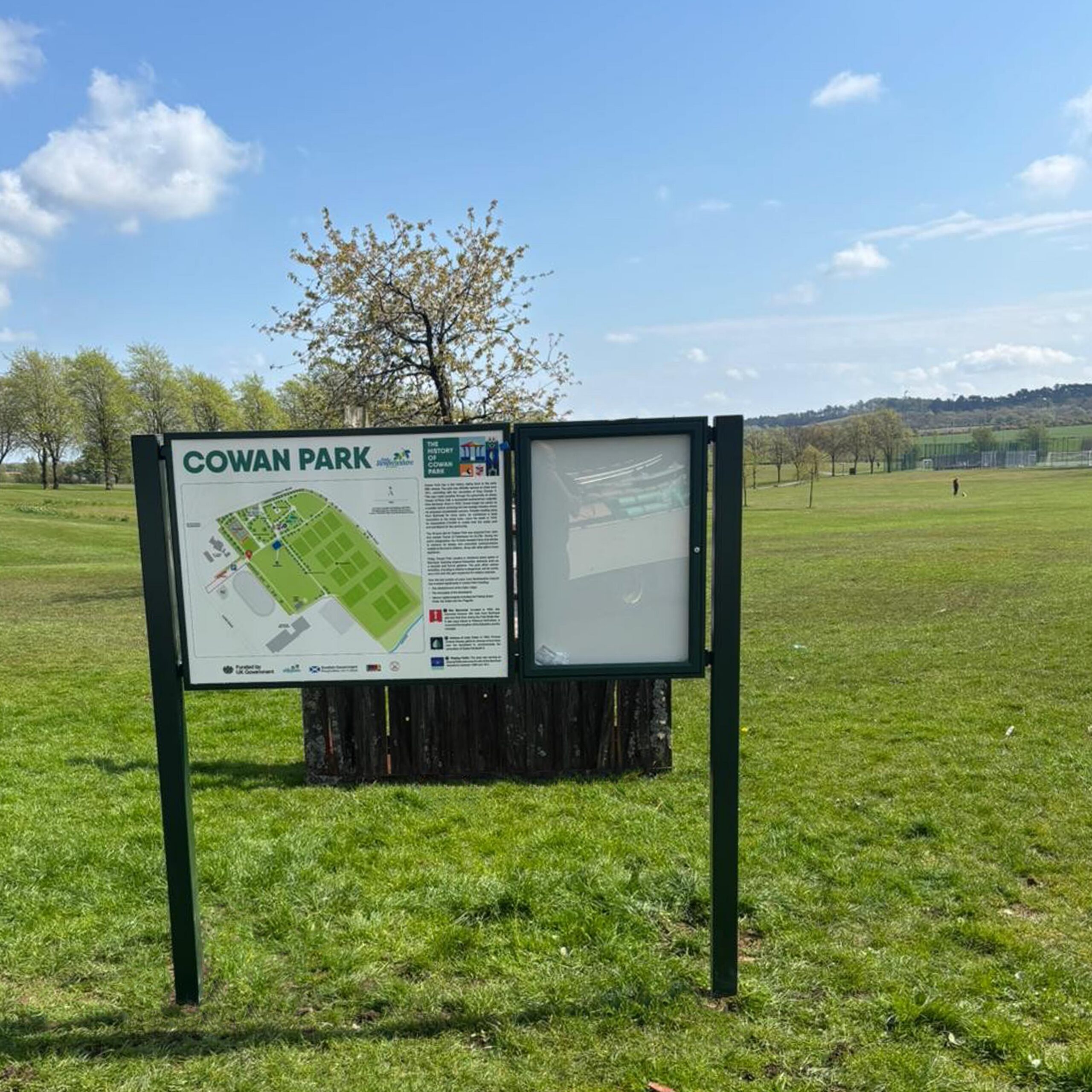
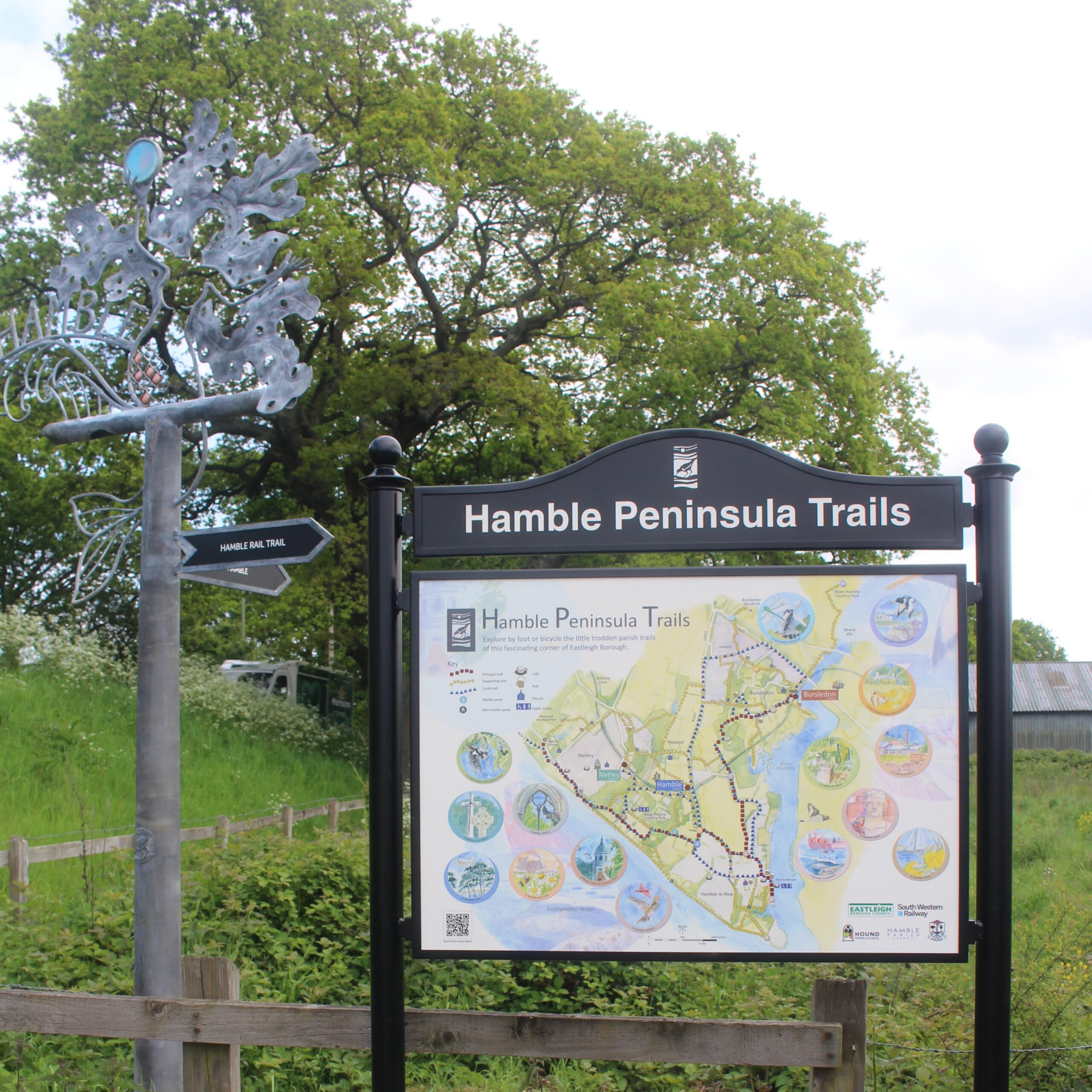
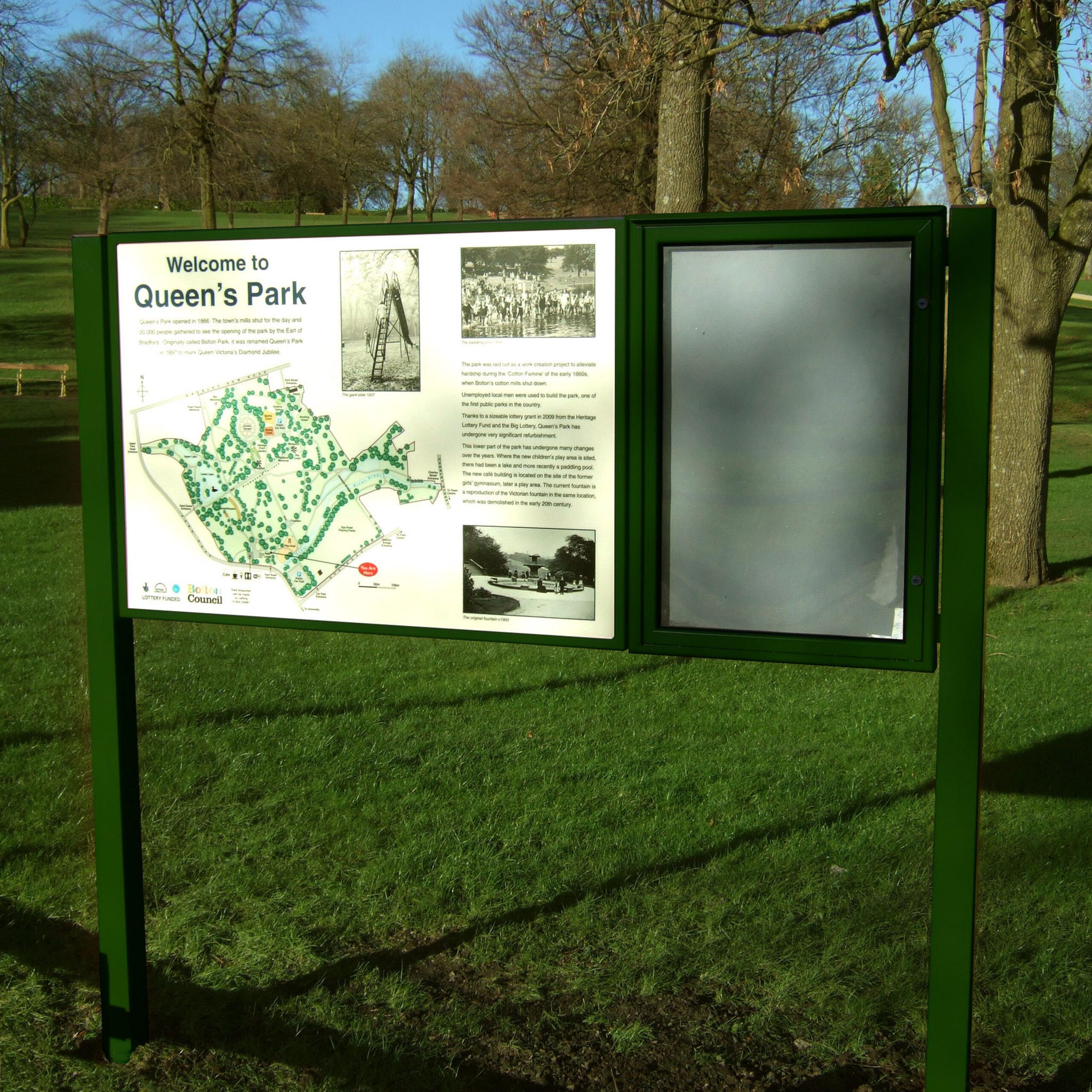
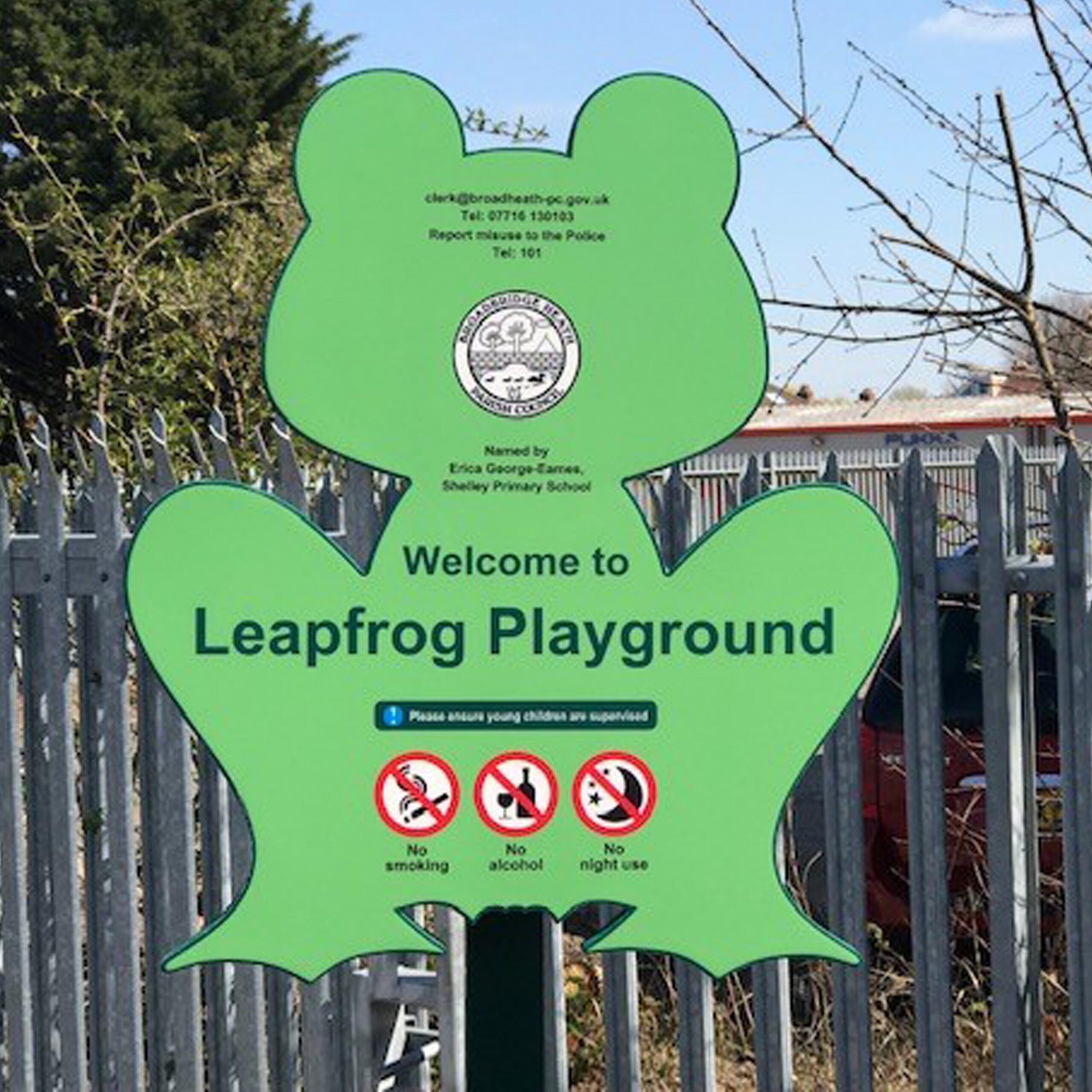
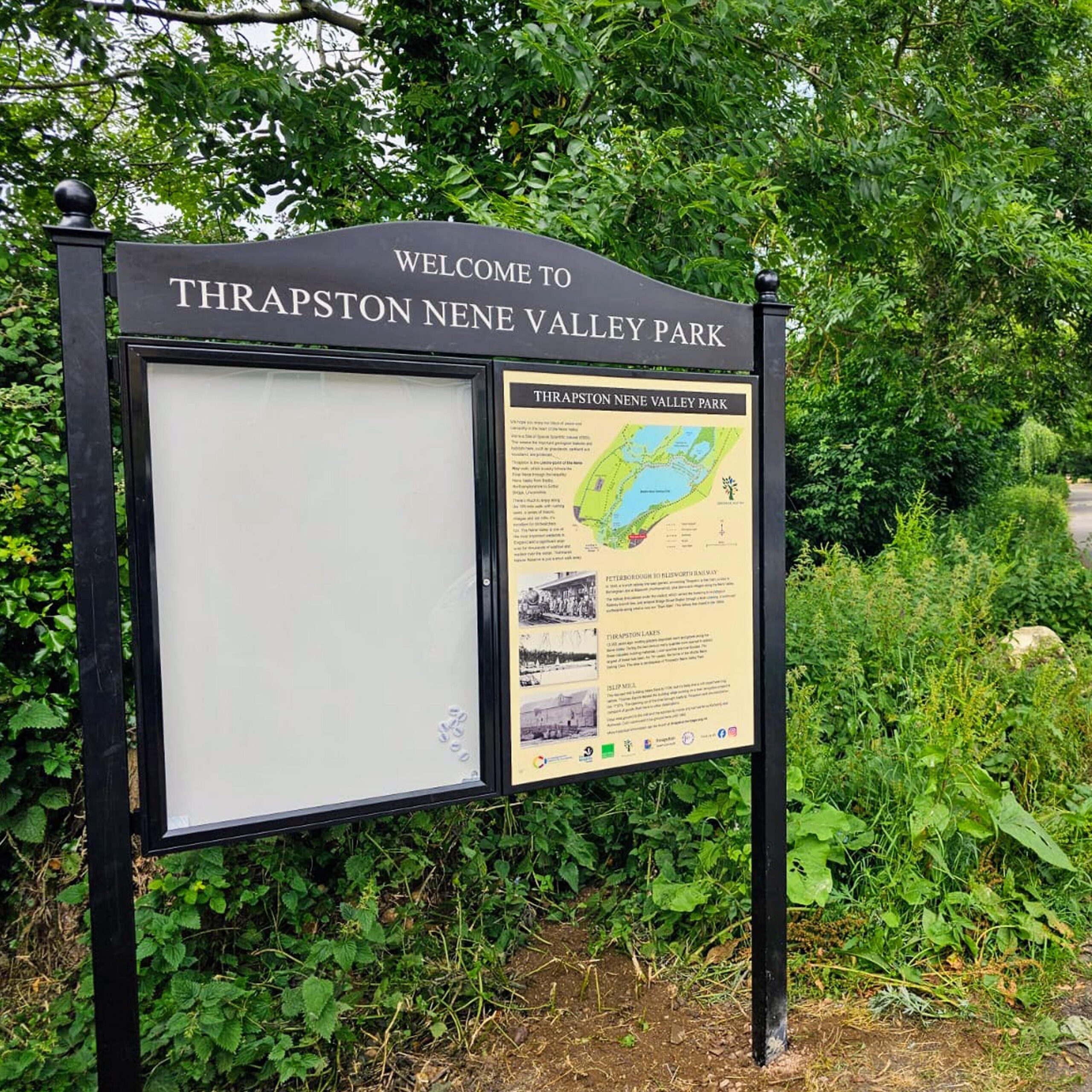
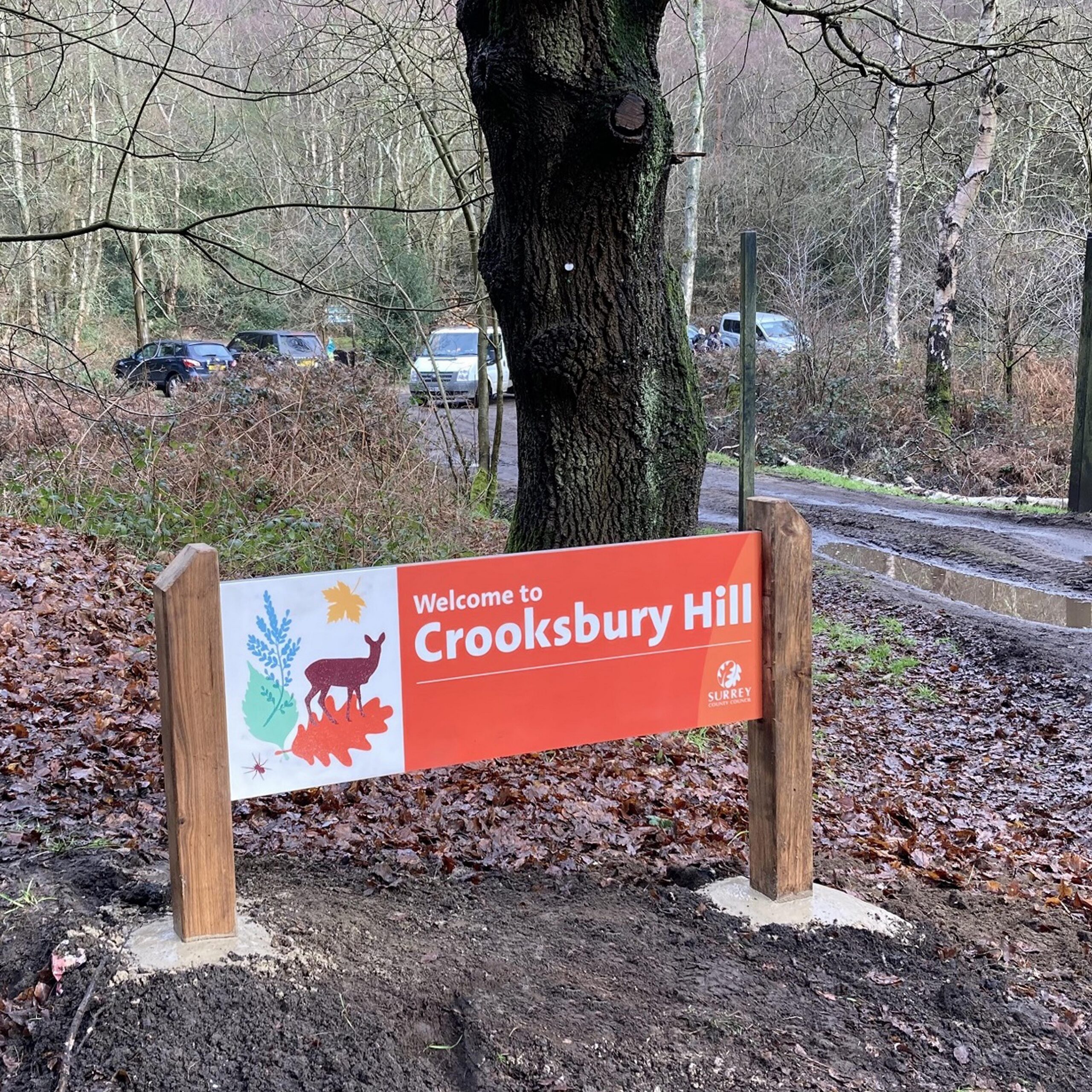
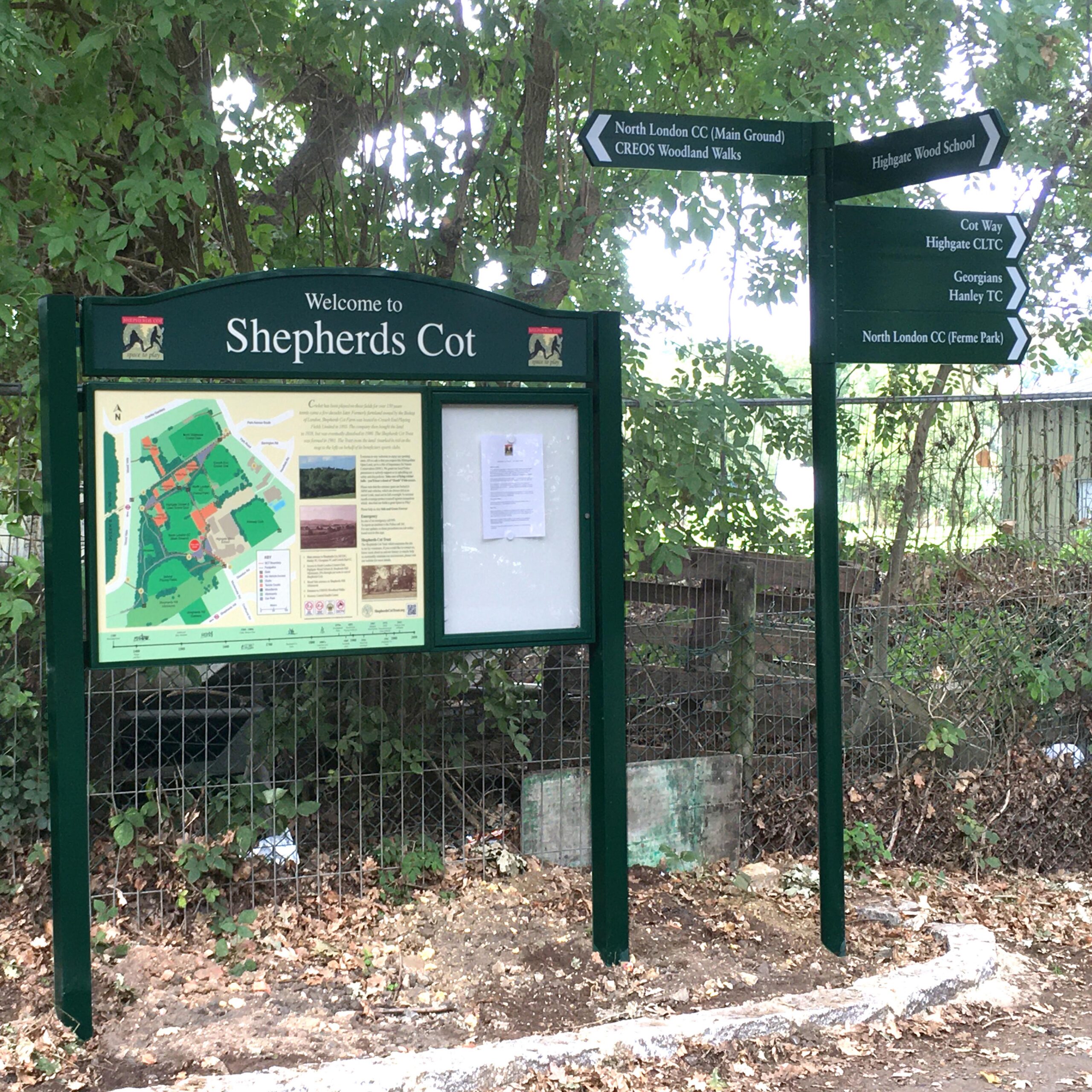
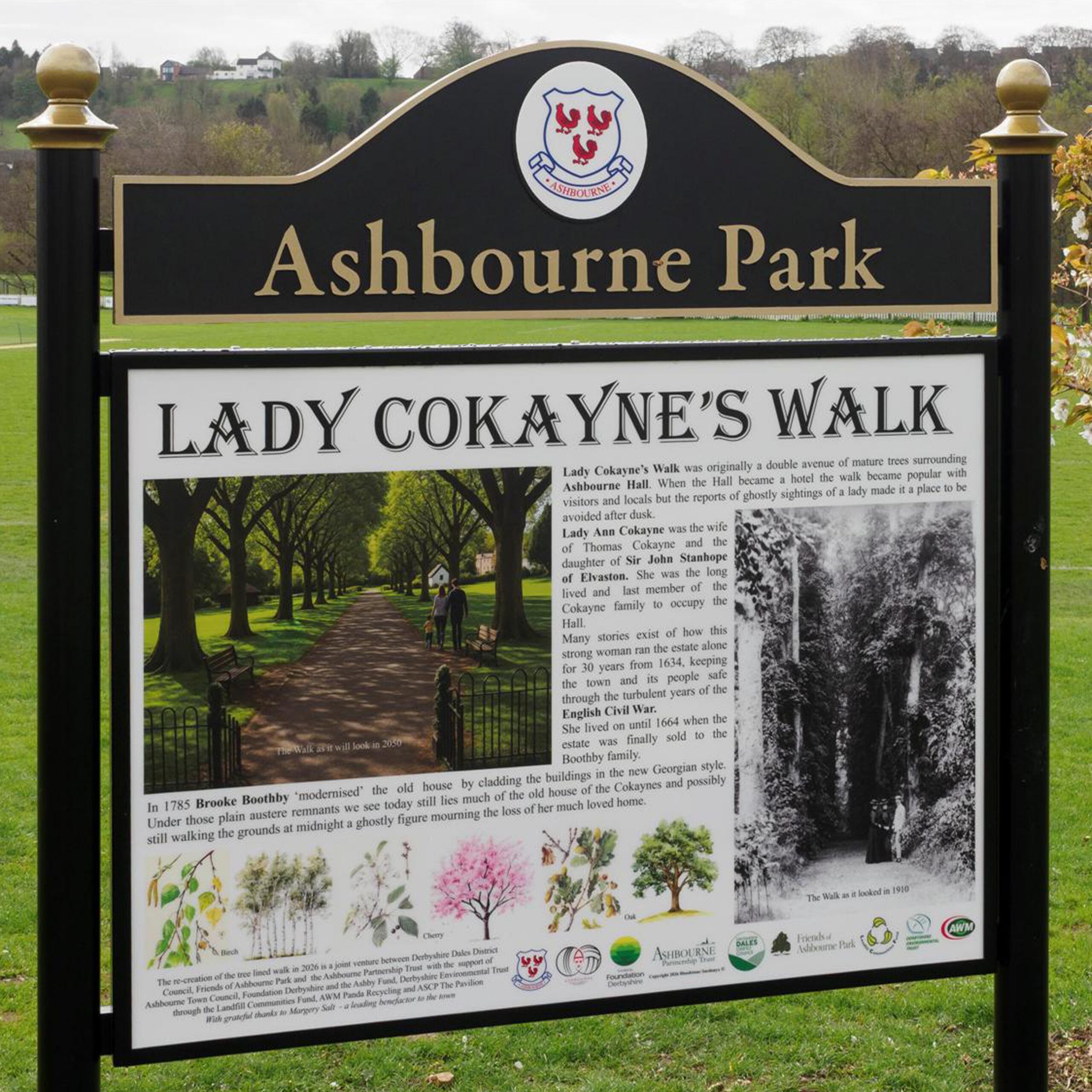
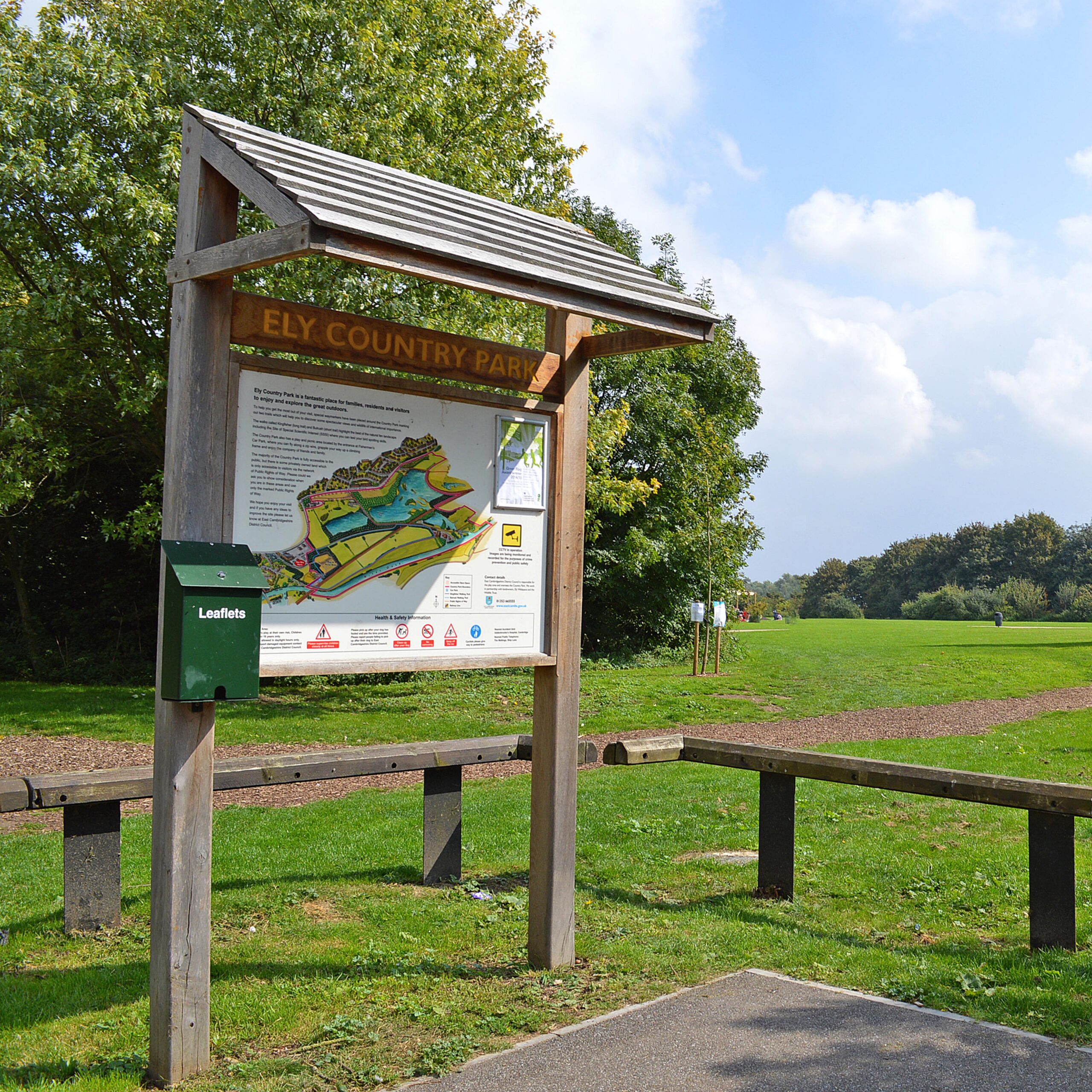
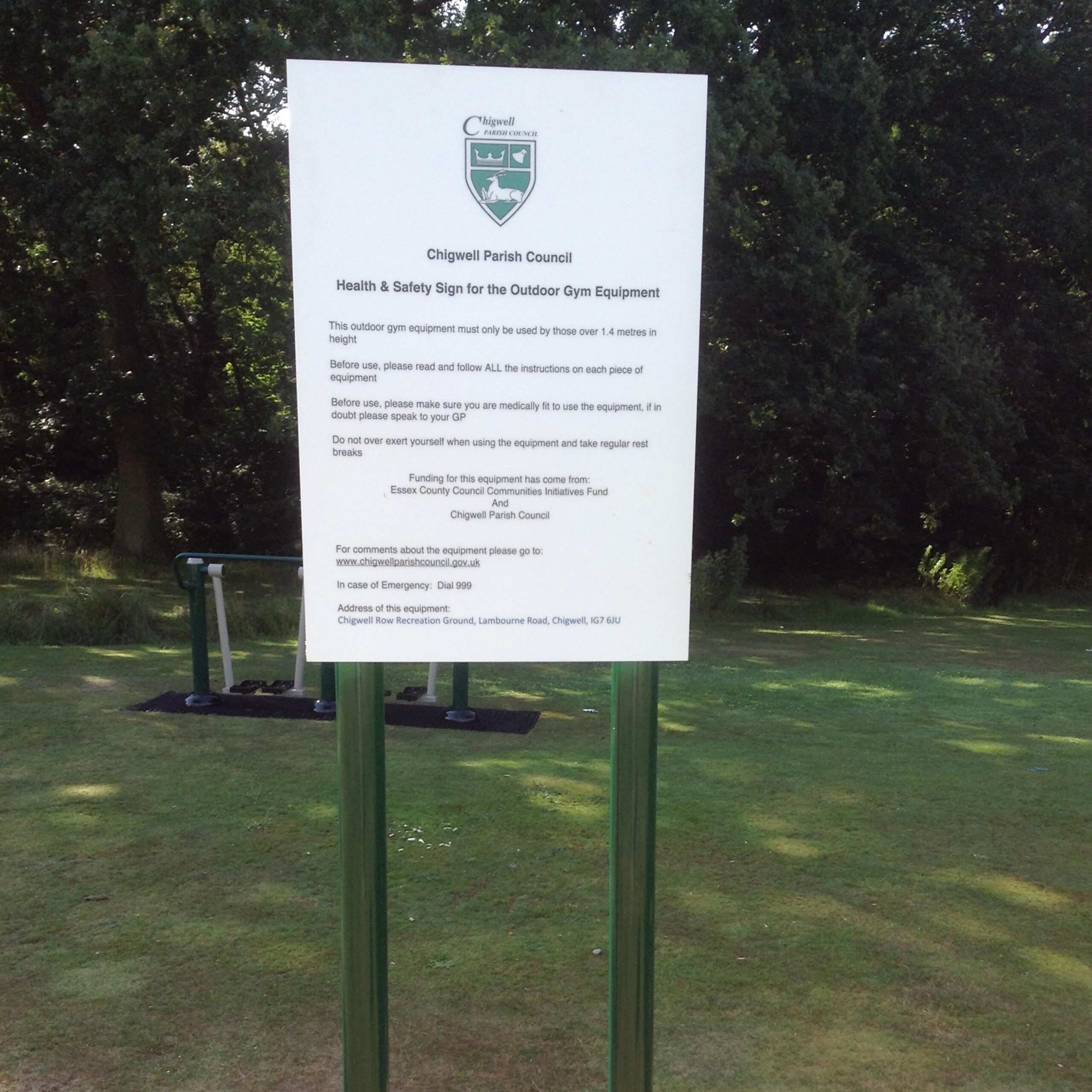
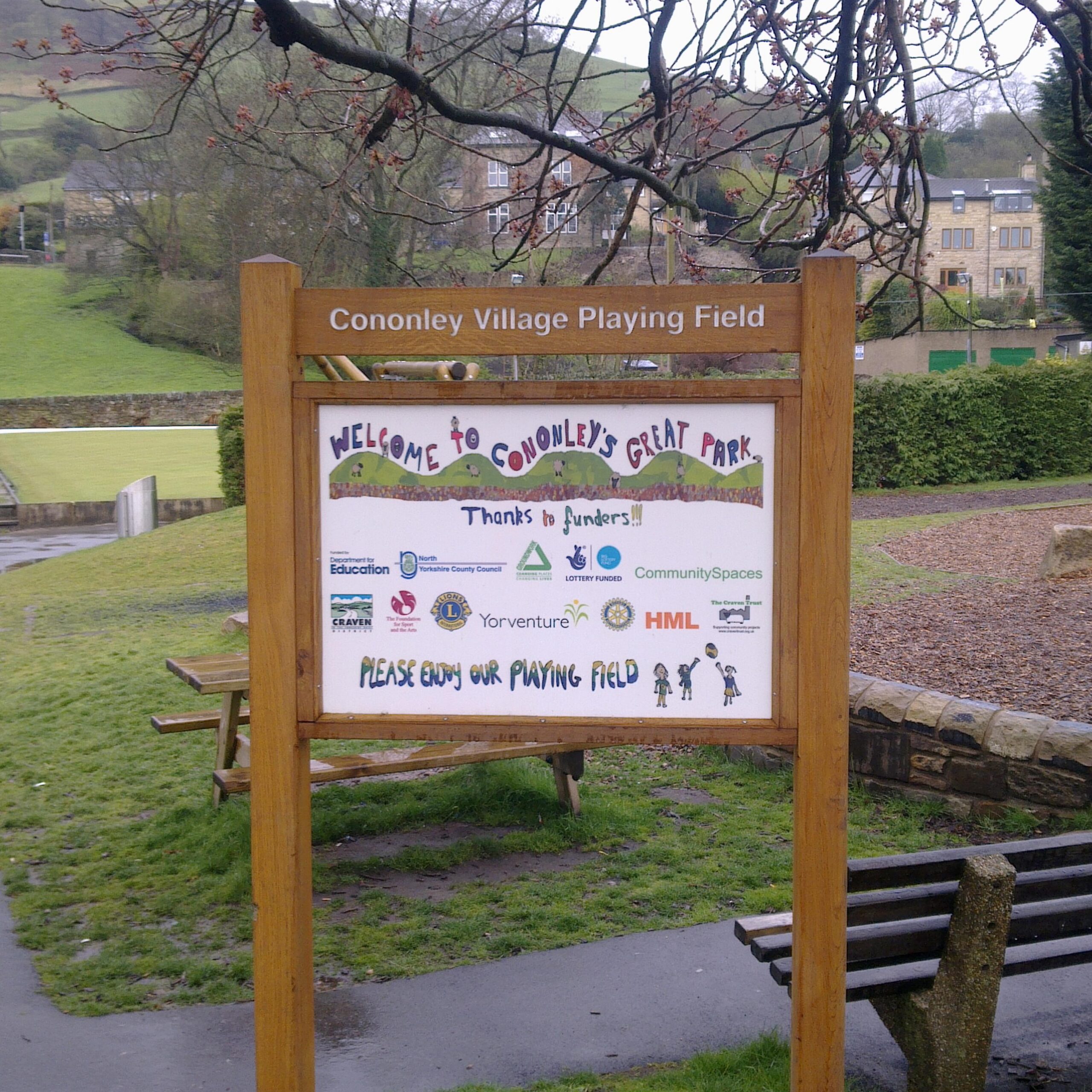
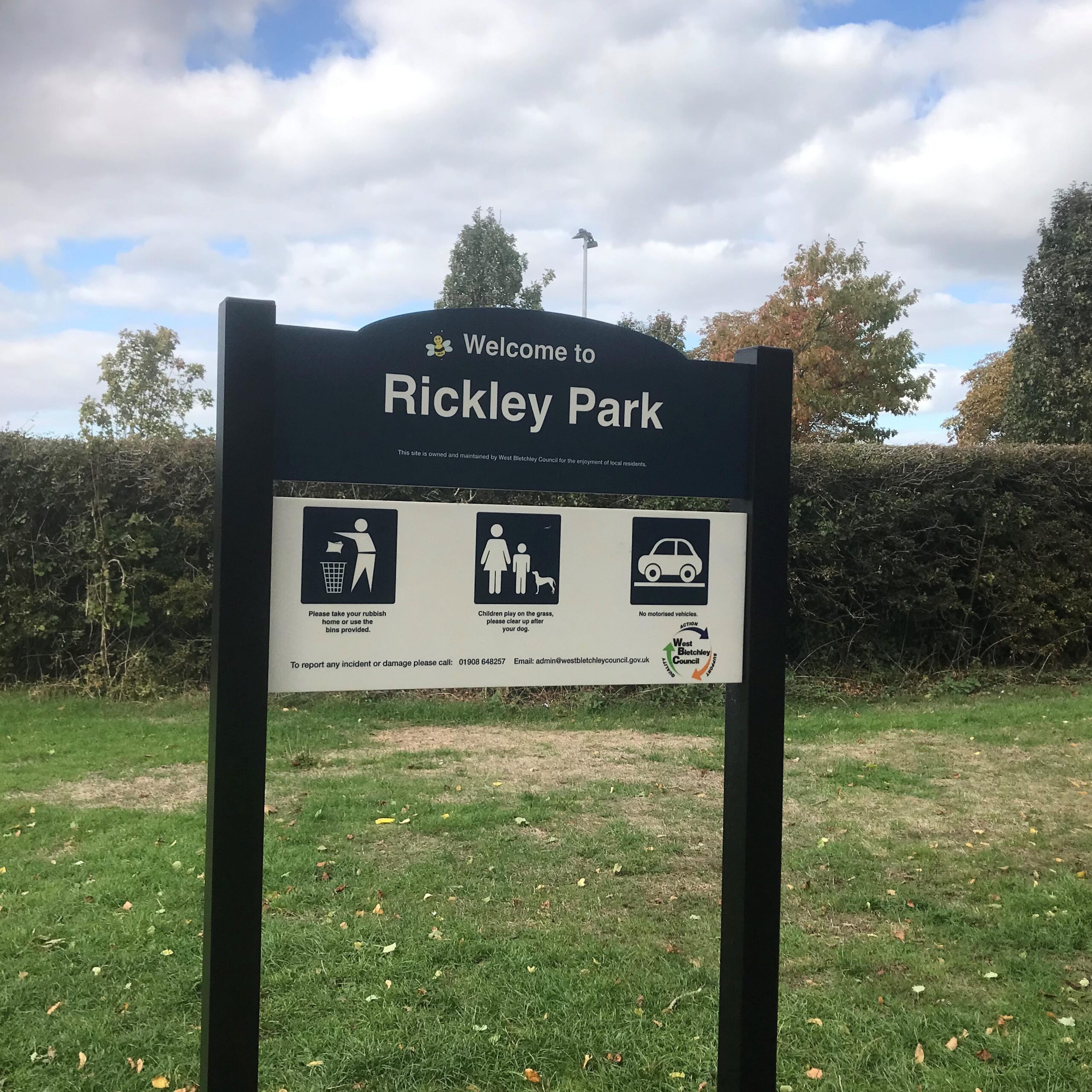
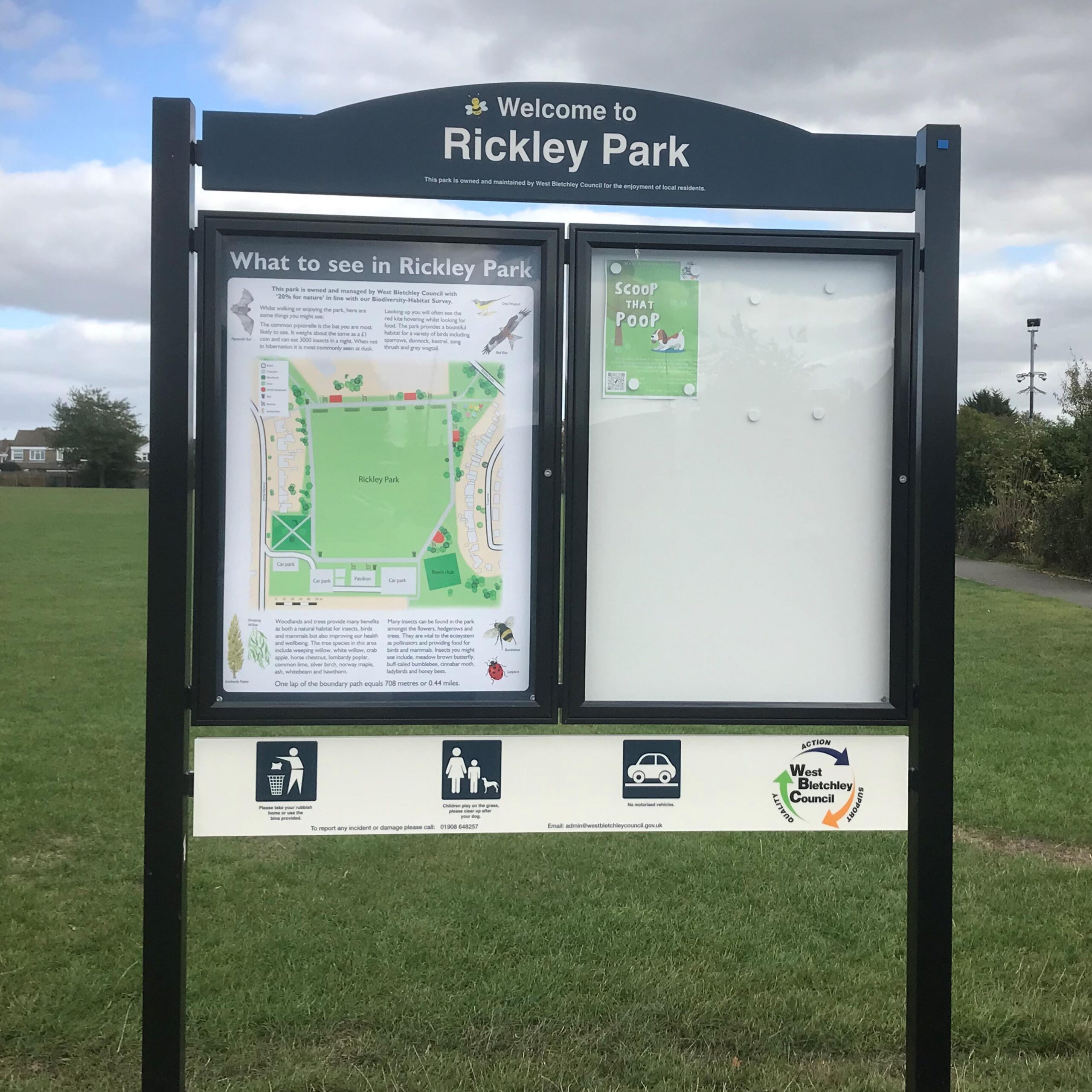
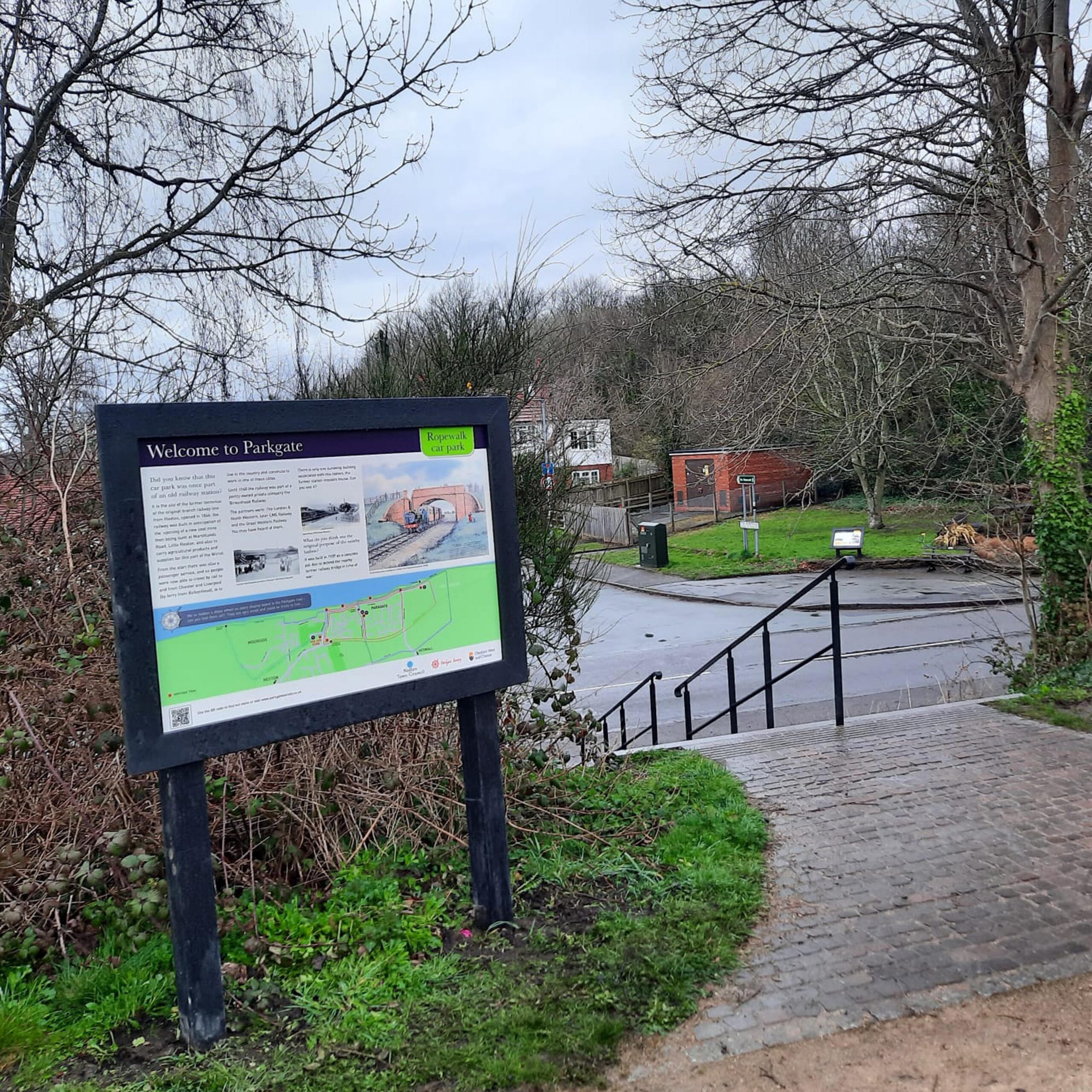
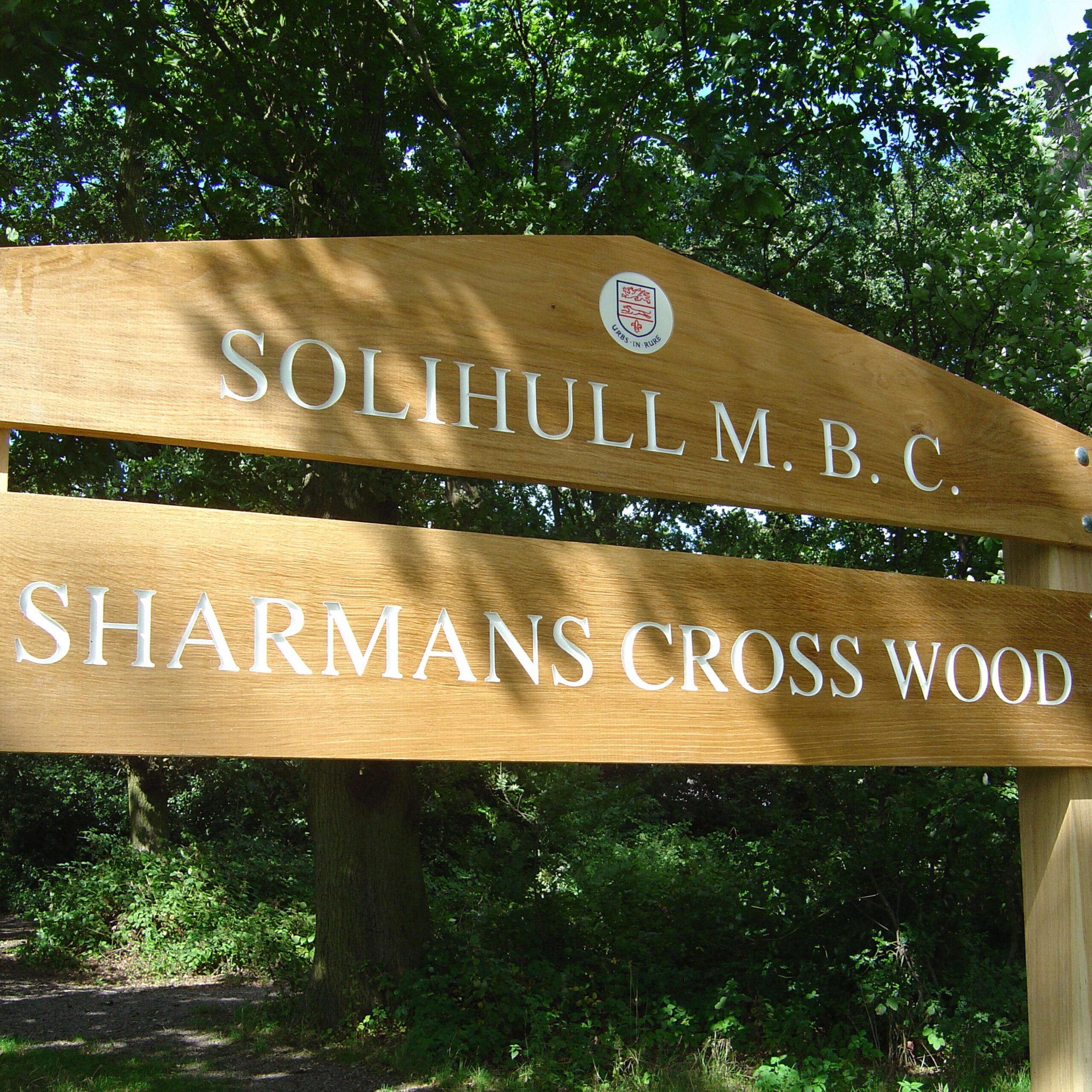
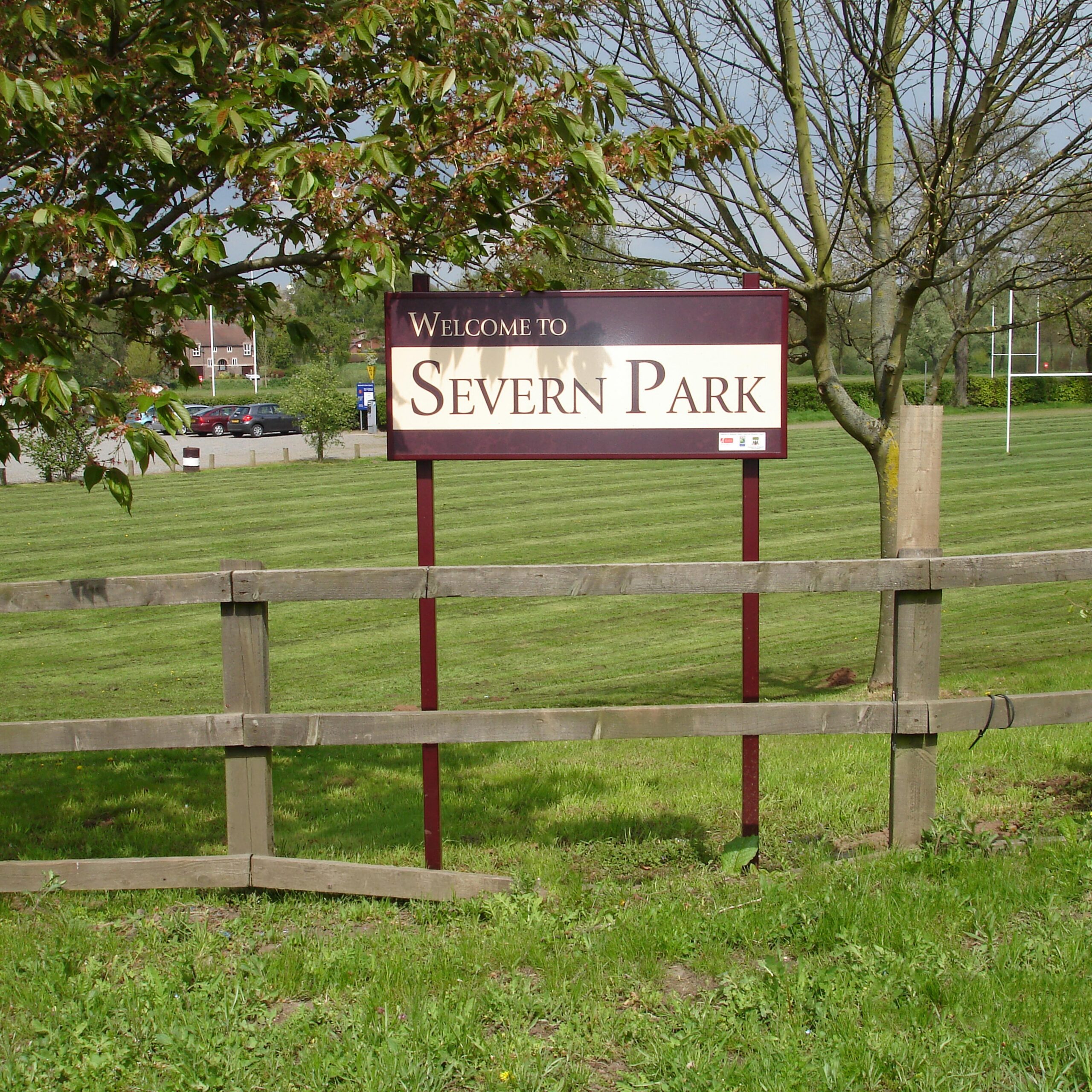
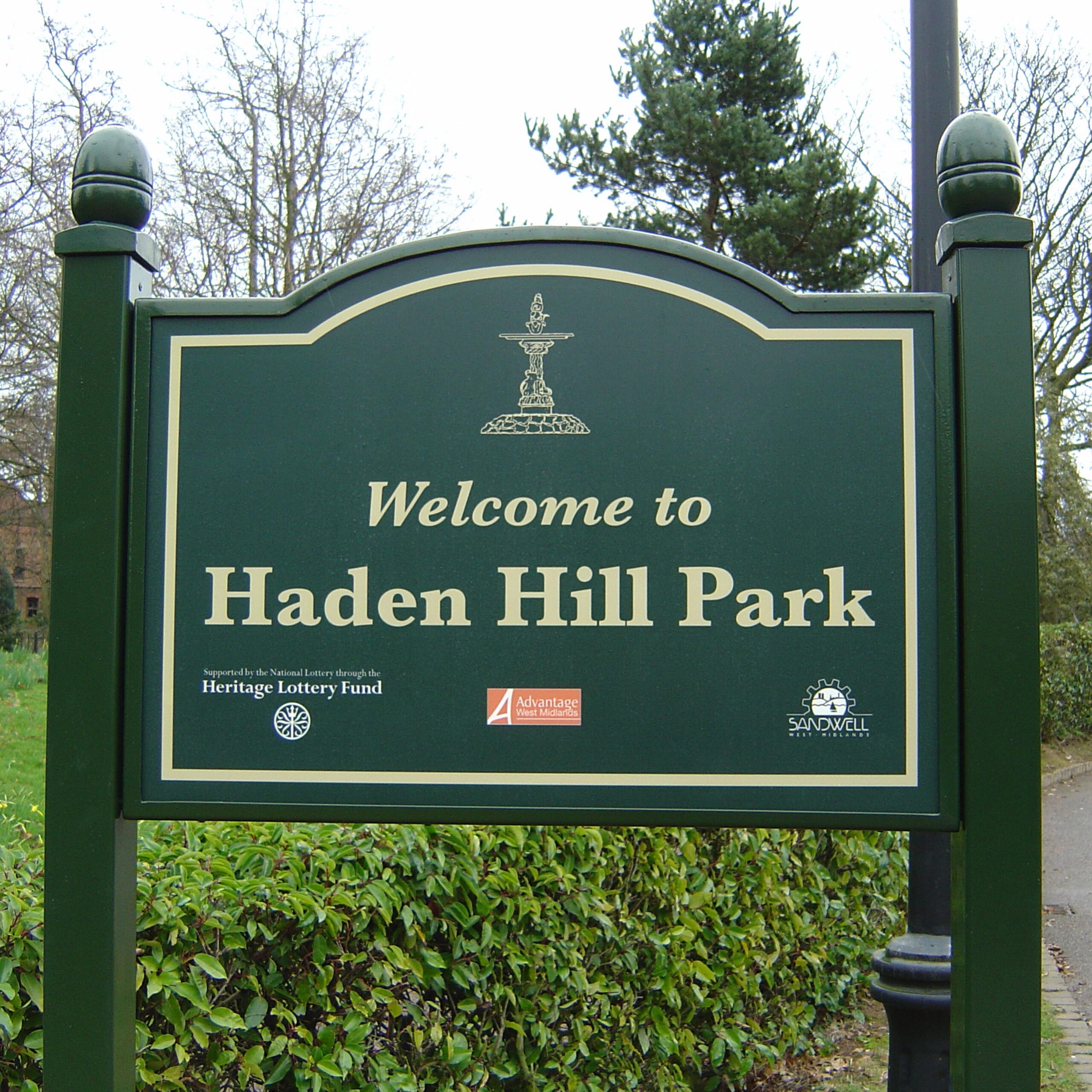
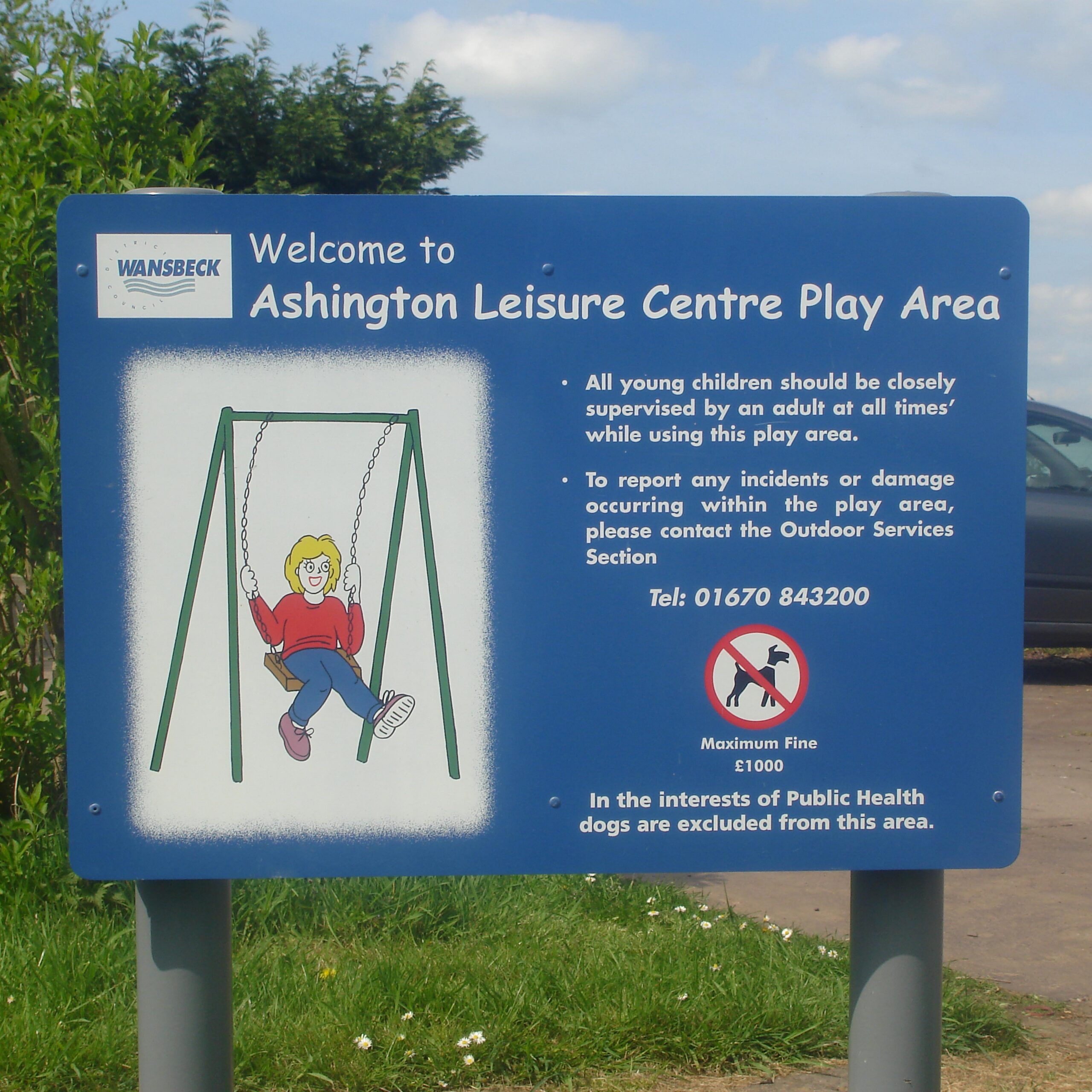
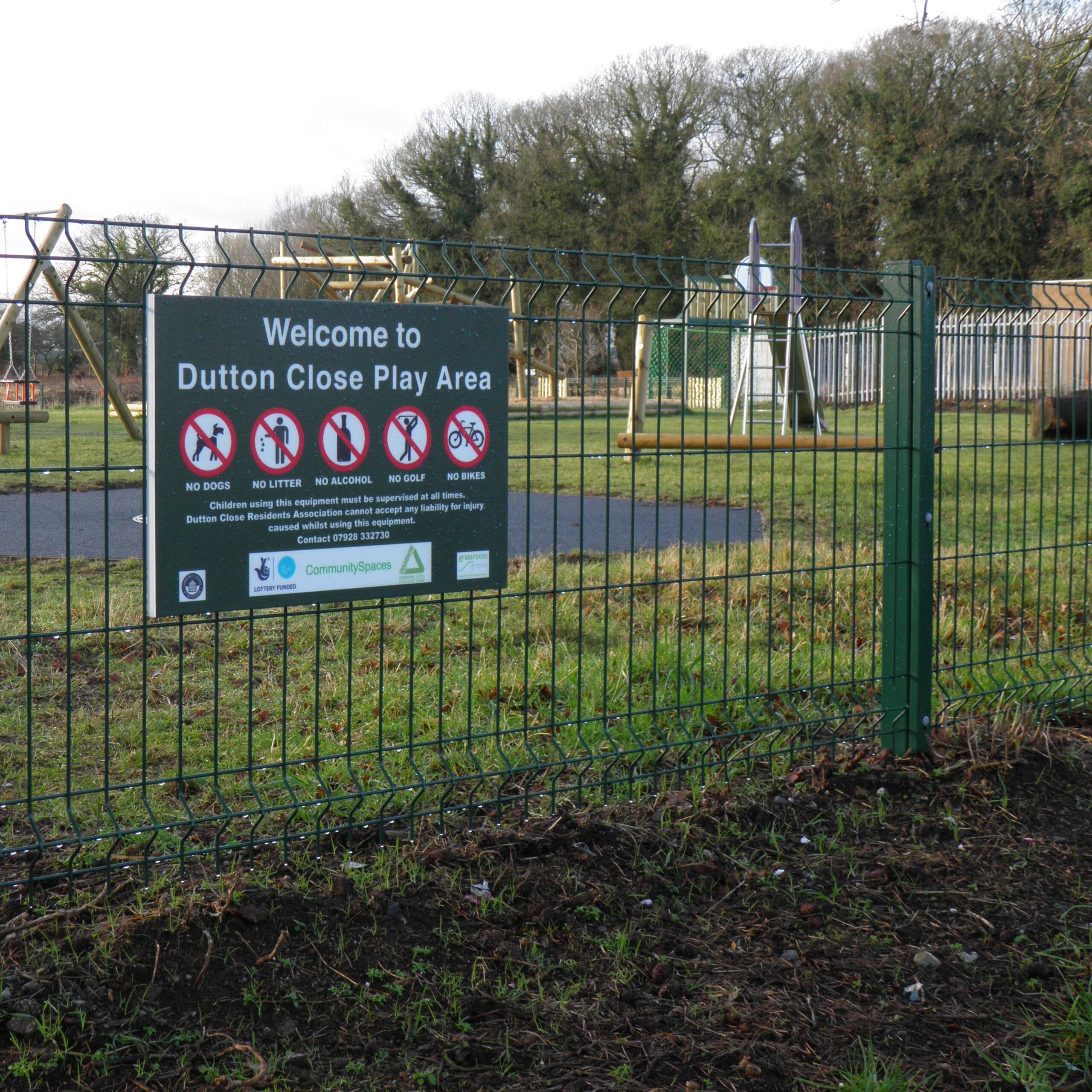
Examples of Park Signs created by Shelley Signs
We have created park signs for public spaces across the UK.
FAQs
We’ve answered commonly asked questions about designing and creating signs for parks. If your question isn’t answered here, please get in touch with our knowledgeable team.
What signage should you have in parks?
A range of signage solutions can be used within parks and nature reserves to inform, educate and direct visitors. Options include entrance signs, interpretation boards, directional signs, including finger posts and waymarkers, traffic control and safety notices or outside notice boards.
What is an entrance sign?
An entrance sign is placed at the front of a public space, such as a park, nature reserve, playground or tourist attraction. The design should be impactful and usually includes a logo, the name of the location and opening hours if applicable.
What are welcome signs made of?
Welcome signs for public outdoor spaces, such as signs for parks, are made from durable materials that are resistant to varying weather conditions and vandalism. Encapsulated Glass Reinforced Plastic is recommended, but it’s also possible to use polycarbonate, acrylic, foamex, and various timbers.
How to make your signage stand out?
Park signs should have a simple yet impactful design so visitors can quickly see that they have arrived at their destination. The most engaging signs tend to keep text to a minimum with a simple design to effectively portray key messaging at a glance.
What is the purpose of directional signage?
The purpose of directional park signs is to help visitors navigate unfamiliar spaces, guide people safely around the area and manage the flow of pedestrians in busy locations.
How big should an entrance sign be?
Entrance signs for parks and other public spaces should be large enough for visitors to see as they enter the site or car park. Common dimensions are A0 (1189 x 841 mm), but this can be changed in line with the requirements of the custom outdoor signage location.
What is interpretation in public parks?
Interpretation boards in parks can be used to display useful visitor information and to connect people with the local area. Examples include wildlife and heritage interpretation, maps and trail guides and stories of significant interest.
Park Entrance Signs
Park entrance signs come in a variety of forms, from car park signage to interpretation panels providing further information to visitors. Sometimes park signage includes a notice board feature, allowing for the display of local information and temporary notices.
Many entrance signs particularly in car parks are made from aluminium or steel for durability, with a powder-coated finish in a wide range of colours. Park signage is often designed to be weather resistant and low maintenance, as well as being vandal resistant.


Welcome Signs
In keeping with the natural environment, many park entrance signs are made from wood. This could be in the form of a sandblasted wooden sign, or a simple post and panel system with a timber frame and infill panel.
A wooden sign can be highly visible, providing a warm and inviting look, as well as being sympathetic to the surroundings. They can also be easily incorporated into landscaping schemes.
Notice Boards
Notice boards are popular in a park environment. They are hinged and lockable, and ideal for displaying further information that is frequently changing. Notice boards can be produced in either aluminium or timber.
They are normally glazed, with shatterproof polycarbonate, and are supplied with a pinboard or metal backer [for use with magnets]. Metal backers can be printed on, giving you an attractive and individual backboard.


Finger Posts
Bollards are another common form of park signage that are normally produced in either oak or top quality, pressure-treated softwood to ensure longer life. While bollards can be used to control traffic flow in a park environment they offer a discreet way to direct visitors and can include waymarker discs or routed images.
Footpath Signs
Footpath signs are an important part of park signage, as they help visitors to navigate their way around parks. They can include interpretation within them, like the sandblasted footpath sign here, produced on behalf of The National Trust.
A footpath sign may include waymarkers, which help visitors to find their way around the park, as well as directional signs and distance markers. These signs can be placed at regular intervals along footpaths, or at key junctions.