
Finger Post Signs
This section details directional signage, such as finger posts, bollards and waymarker discs, suitable for wayfinding in parks, nature reserves, public open spaces and urban environments.
Shelley Signs is an experienced sign maker with twenty years experience designing bespoke signs manufactured to your exact specification. Most projects start with us providing a quote. You can contact us via email, the enquiry form or give us a call. We are always happy to chat through your requirements.
Some clients know exactly what they want and provide a detailed brief. Other clients are looking for guidance and to explore options – we are happy to work with you to define your project.

This Finger Posts link downloads a PDF with details about oak, softwood & aluminium directional finger post signs.
The range of options for signs in public open spaces is vast and includes directional finger posts, bollards and waymarker discs. The sub-pages on this page provide an introduction to each style – follow the link below for further information.
What is a Finger Post?
Finger Posts are used to direct visitors around public open spaces. These directional signs guide pedestrians in parks, nature reserves, town centres, universities and airports. The number of directional arms or ‘fingers’ will vary to suit the navigational challenges being presented.
Which materials are most durable for outdoor finger posts?
Finger posts can be made from a range of materials, and it’s important to consider where the finger post will be installed to ensure you pick the most durable option for your requirements. Finger post signs are commonly made from oak, pressure treated softwood, powder-coated aluminium or recycled plastic.
Wooden Finger Posts
Oak directional finger posts are our most popular option. They are made from slow-grown, sustainable oak and finished with a hardwearing clear lacquer. The natural beauty of the wood will age over time to give a rustic appearance.
Softwood Finger Posts
Treated softwood finger post signs are an economic alternative to oak fingerposts. They are produced from quality Scandinavian redwood and pressure treated with a wood preservative. The posts are finished with hardwearing black paint.
Aluminium Finger Posts
Aluminium fingerposts are the most weatherproof option and are ideal for coastal locations or areas which experience high levels of vandalism. They can be powder-coated in any standard RAL colour to match the surrounding environment.
What are the benefits of using finger posts?
Finger posts are a traditional type of navigational signage, commonly found in town and city centres, rural villages and parks. They are an effective form of wayfinding, are made from durable materials, can be customised in line with branding and are cost-effective to maintain and repair.
Bollards
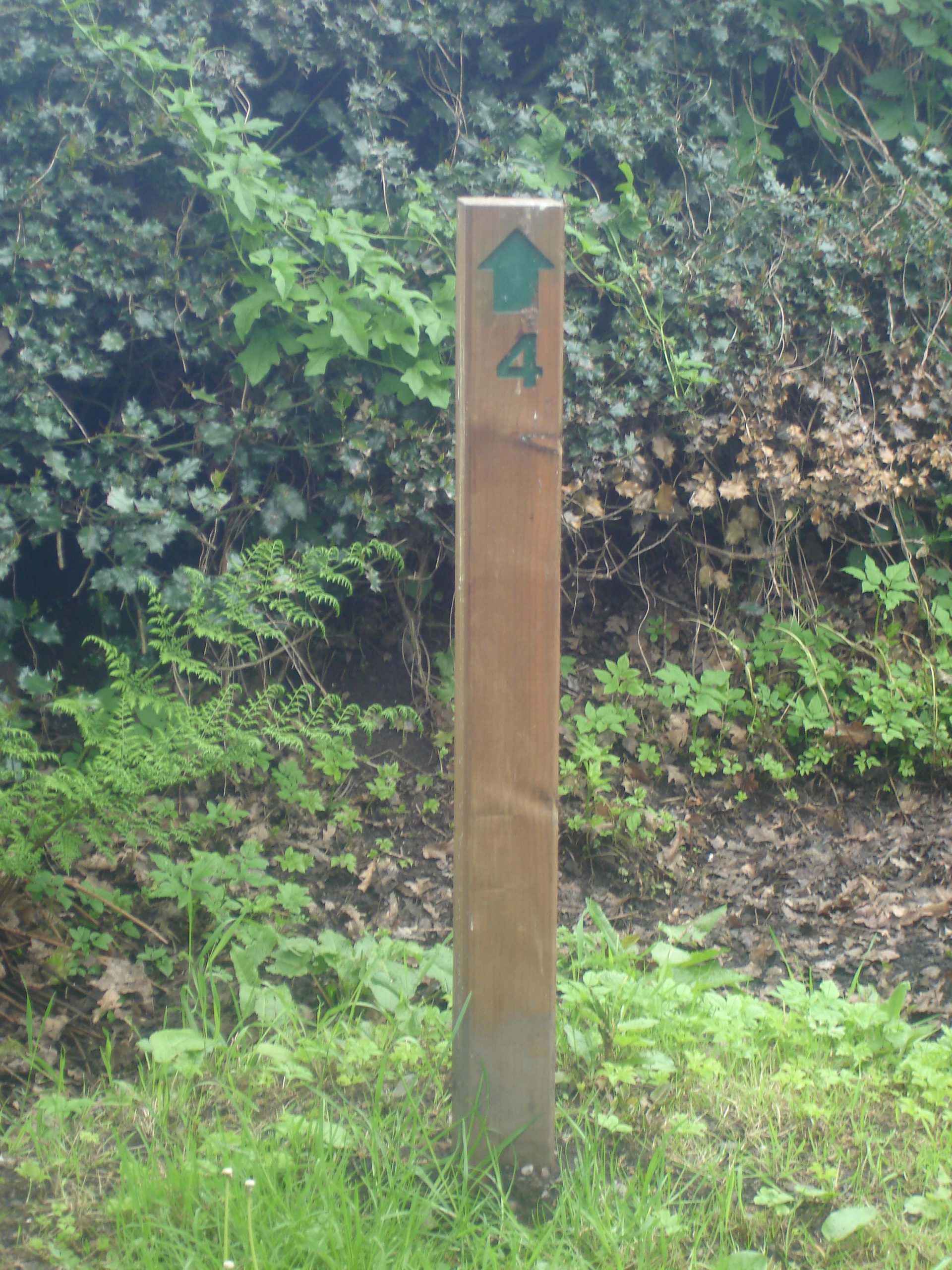
Bollards are wooden posts, normally produced in either oak or top quality, pressure-treated softwood to ensure longer life. While bollards can be used to control traffic flow in a park environment they offer a discreet way to direct visitors and can include waymarker discs or routed images. Bollards are more discreet than full directional finger posts, and can be positioned in clusters to direct visitors in several directions.
What is a Waymarker?
Waymarker Discs (or ‘waypoint markers’) can be produced in PVC or GRP. They direct visitors and can be often be seen on nature trails. The discs can be fitted to existing structures making a low-cost option for directing visitor flow in open space environments. The standard size for waymarking discs is 76mm in diameter and comes in many colours. We recommend using the GRP option due to its high level of durability.
You may also be interested in our range of entrance signs, interpretation panels and notice boards. These options provide a range of ways to communicate with your visitors using both permanent and short-term graphics.
Gallery




Frequently Asked Questions
Finger post signs are used for directing visitors around open spaces material options include oak, treated softwood, recycled plastic and steel posts with printed finger arms.
Some common types of wayfinding signs include finger posts, bollards, and directional signage. Each type serves a different purpose in helping visitors find their way.
Timber Bollards are a versatile and effective way of communicating and influencing the behaviour of visitors to country parks and public open spaces. They can be discreet and very simple or large and contain a range of information including printed graphics. Directional bollards are normally produced in timber. They can be in oak, pressure treated softwood or recycled plastic.
A wayfinding sign is a directional sign that helps people navigate their way through an environment, such as a city or park.
Waymarker discs are a popular and low-cost means of directing visitors around open spaces and influencing their behaviour. Commonly 76mm diameter the standard waymarker discs are for Footpaths, Bridleways, cycle routes & restricted access but we produce individual waymarkers with route names, crests, logos and colours to suit. Waymarkers can be produced at any size to suit.
Finger post signs are taller than a bollard and typically have an arm extending out from it with text or symbols indicating where to go. Bollards are shorter, squat posts that are often used to control traffic flow in a park setting. They can also include waymarker discs or routed images.
Waypoint markers are used to indicate specific points of interest, while directional signs help people navigate their way through an environment. Waypoint markers can be attached to existing structures making them a low-cost option for directing visitor flow in open space environments.
There is no one-size-fits-all answer to this question, as each type of material has its own advantages and disadvantages depending on the specific application. However, in general, wooden directional signage is more discreet and can be stained or painted to match the environment, while metal signs are more durable and weather-resistant.
Finger post signs vary in price depending on the design, materials, quantity of fingers and level of customisation. Prices can vary greatly so all projects start with a quote for your specific requirements.
Yes, wooden & recycled plastic finger posts can be fully customised to meet the requirements of any project. Simply choose the number of directional arms and whether you need single or double-sided engraving. It’s possible to engrave text in a variety of fonts, as well as add logos or symbols for extra clarity.
How can we help?
Most projects start with us providing you with an estimate. To brief us on your requirements, please either complete the Enquiry Form below or give us a call to discuss your project in person. We aim to get a quote to you within a few days.